
Our Treatments

Comprehensive Care, Beautiful Results

Cosmetic, restorative, hygiene, implant and orthodontic dentistry from our Harley Street practice – planned around your needs and delivered with minimally invasive techniques.

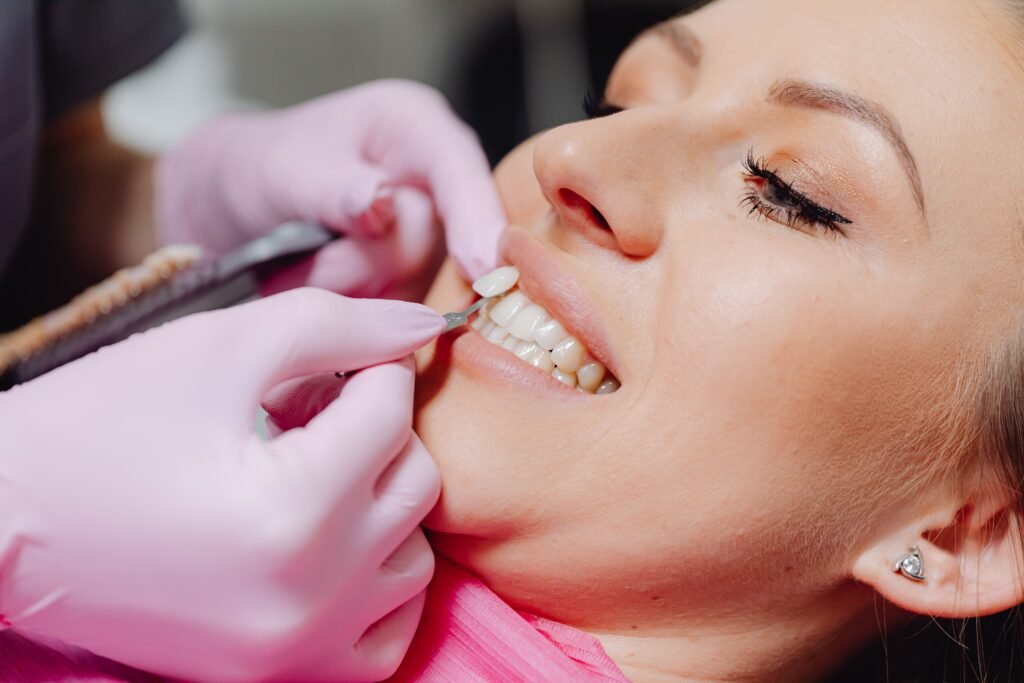
Dentist comparing a porcelain veneer shade guide with a patient’s smile

Our Treatments

Cosmetic Dentistry

Cosmetic dentistry enhances the aesthetic harmony of your teeth, gums and smile line while maintaining or improving underlying oral health. We combine artistic smile design with minimally invasive techniques, using durable, bio-compatible materials for lifelike translucency and long-lasting strength.

  • Enhances smile appearance: corrects discolouration, gaps, chips, uneven lengths and misalignments.
  • Improves oral function and health: restores worn or damaged biting surfaces.
  • Long-lasting, natural results: high-grade ceramics and composite resins engineered to mimic natural enamel.
  • Boosts self-confidence: enhances everyday personal and professional interactions.

Teeth Whitening

Treatment Time
40 – 90 minutes (in-chair)
Pain Level
Mild sensitivity
Anaesthesia
Usually not required
Recovery Time
2 – 3 days

In-chair professional whitening is carried out in the clinic under direct dental supervision. Your gums and soft tissues are isolated with a protective barrier and a high-concentration professional whitening gel is applied for rapid shade lightening within a single appointment.

Custom take-home whitening kits use bespoke upper and lower trays made by your dentist. You apply a regulated carbamide or hydrogen peroxide gel at home over a specified multi-day period.

Is in-chair whitening better than take-home whitening?

In-chair whitening offers instant results; take-home whitening provides gradual shade control in the comfort of your home. Combining both gives the best longevity.

How long do teeth whitening results last?

Results vary with coffee, tea and red wine consumption, smoking and oral hygiene. Periodic top-ups maintain brightness.

Can I whiten my teeth if I have crowns or veneers?

Whitening agents only act on natural enamel; existing composite fillings, porcelain crowns and veneers do not lighten.

What should I avoid after teeth whitening?

A “white diet” avoiding heavily pigmented food, drinks and tobacco is advised for the first 48 hours.
Porcelain Veneers

Treatment Time
Typically 2 – 3 appointments
Pain Level
Sensitivity
Anaesthesia
Usually not required (minimal local anaesthetic during preparation)
Recovery Time
Immediate

Custom-crafted ceramic shells are bonded to the front surface of teeth to correct deep staining, chipping, enamel wear, minor gaps or mild irregular positioning. Each smile is designed around your facial geometry, lip line, skin tone and adjacent tooth shade.

Can I get porcelain veneers without straightening my teeth?

Veneers suit mild alignment or spacing concerns, but they do not physically move teeth; moderate to severe malocclusion requires orthodontics first.

Are porcelain veneers suitable if I grind my teeth?

Clenching and grinding (bruxism) increase fracture risk, so a custom protective nightguard is strongly recommended.

Will veneers affect how I speak?

A slight, temporary phonetic adjustment may occur during the first few days as your tongue adapts to the new tooth contours.

How long do porcelain veneers last?

They are designed as a long-term cosmetic solution lasting 10–15+ years with diligent hygiene and regular professional check-ups.

How long does the treatment take?

Treatment is completed across 2–3 structured visits: consultation, preparation and impressions, followed by bonding.

Composite Filling

Treatment Time
1 – 3 days (single appointment standard)
Pain Level
Mild pain / discomfort
Anaesthesia
Required (local anaesthetic)
Recovery Time
3 – 7 days

Tooth-coloured composite resin, matched precisely to your natural shade, repairs decay, small cracks and minor chips, and replaces old amalgam restorations.

  1. Decay removal and conservative preparation, preserving maximum natural tooth structure.
  2. Conditioning and bonding agent application.
  3. Incremental layering of composite resin.
  4. Curing and hardening with a high-intensity curing light.
  5. Bite adjustment, shaping and high-gloss polishing for natural alignment.
Are composite fillings the same colour as my teeth?

Yes – resins are custom-shaded to blend seamlessly with the surrounding enamel.

Do composite fillings require drilling?

Only decayed or structurally compromised tissue is removed; composite resin allows more conservative preparation than traditional amalgam.

Why does my tooth feel sensitive after a filling?

Mild, temporary sensitivity to temperature or pressure can occur as the pulp settles; persistent pain should be evaluated.

How long do composite fillings last?

Longevity depends on location, bite force, dietary habits and oral hygiene maintenance.

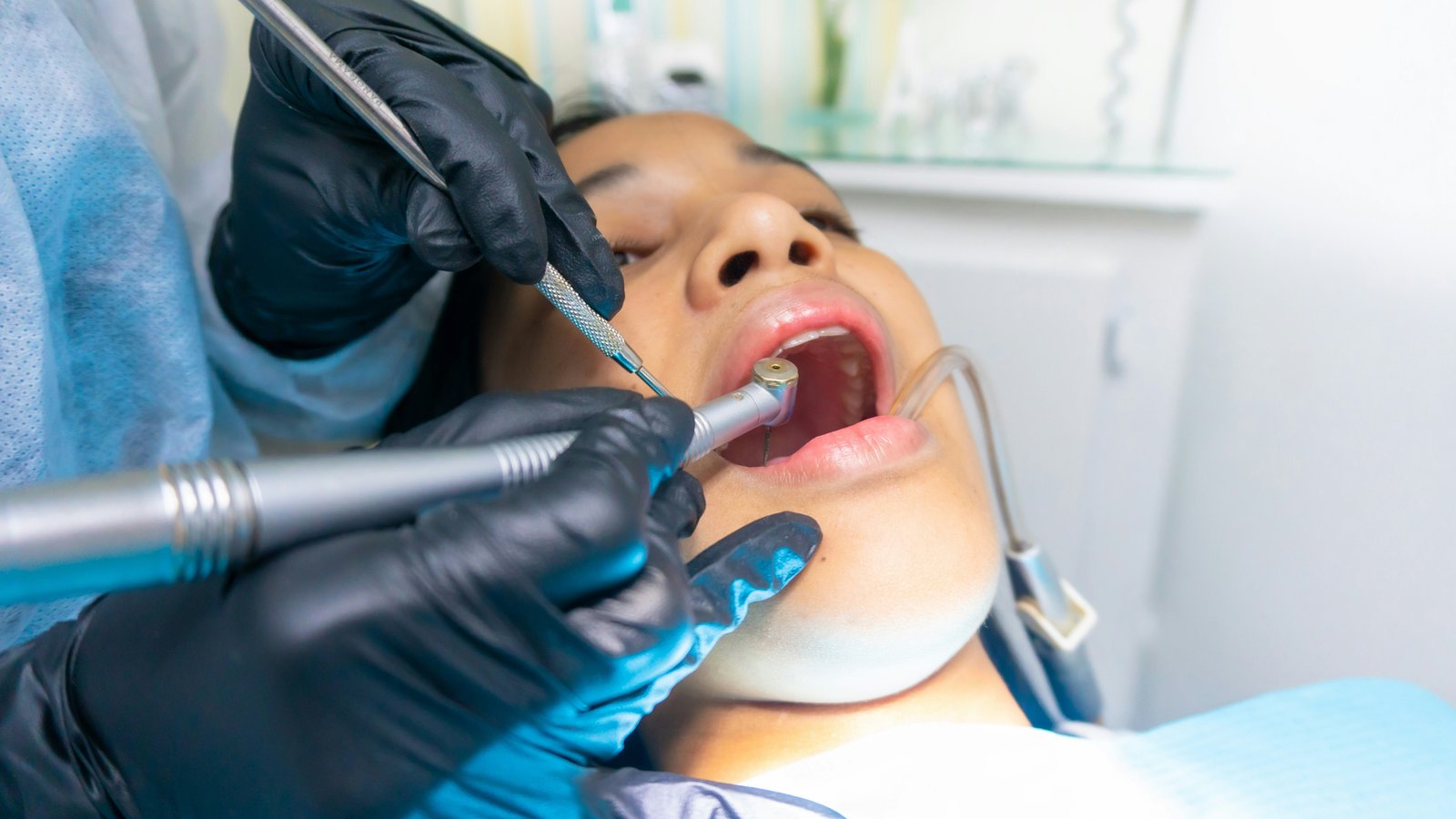
Dentist carrying out restorative treatment on a patient

Our Treatments

Restorative Dentistry

Restorative dentistry restores the structural integrity, chewing function and appearance of damaged, decayed, fractured or missing teeth. Prompt treatment prevents neighbouring teeth drifting, opposing teeth over-erupting, bone loss and strain on the jaw joint (TMJ).

  • Restores oral function: enables proper chewing, biting and clear speech.
  • Protects long-term oral health: halts progressive decay and saves tooth structure.
  • Relieves pain and discomfort: eliminates pain caused by pulpitis, deep decay or structural cracks.
  • Seamless aesthetics: all-ceramic and composite materials matching your natural teeth.

Crown

Treatment Time
60 – 90 minutes
Pain Level
Mild pain / discomfort
Anaesthesia
Required (local anaesthetic)
Recovery Time
2 – 3 days

A fully customised, full-coverage restoration for cracked, heavily filled or worn teeth, teeth weakened after root canal treatment, or aesthetic enhancement – tailored in shade, anatomy and bite to integrate with your adjacent teeth.

Can I eat normally with a dental crown?

Yes, once it is permanently cemented and settled; avoid sticky or hard foods while wearing a temporary crown.

How long does a dental crown last?

Typically 10 to 15+ years, depending on oral hygiene, bite stresses and regular check-ups.

Can a crown be placed after root canal treatment?

It is highly recommended for back teeth to prevent fracture, as root-treated teeth become brittle.

What is the difference between an implant crown and a dental crown?

An implant crown attaches to a titanium implant in the jawbone, whereas a dental crown caps a prepared natural tooth.

Root Canal Treatment

Root canal treatment (endodontics) disinfects and seals infected root canals, relieving pain and saving a tooth that might otherwise be lost. A crown is often recommended afterwards to protect the tooth.

Simple Extraction

Treatment Time
20 – 60 minutes
Pain Level
Mild pain / pressure
Anaesthesia
Required (local anaesthetic)
Recovery Time
2 – 3 days

We always explore fillings, onlays, crowns and root canal treatment first. When extraction is necessary for a fully erupted tooth with uncomplicated roots, the ligament is gently loosened and the tooth removed under local anaesthetic.

What should I eat after a tooth extraction?

Soft, lukewarm foods such as soups, smoothies, yoghurt and mashed vegetables; avoid hot foods, straws, alcohol and vigorous rinsing.

Can I brush my teeth after an extraction?

Yes – keep up gentle hygiene while avoiding direct contact with the socket for the first 24 hours.

What happens after the tooth is removed?

A blood clot forms in the socket to begin healing; protecting it prevents painful dry socket (alveolar osteitis).

Surgical Extraction

Treatment Time
60 – 90 minutes
Pain Level
Mild to moderate post-operative pain
Anaesthesia
Required (local anaesthetic / sedation options)
Recovery Time
Typically 5 – 10 days

Needed for teeth fractured below the gum or bone, heavily curved or fused roots, or impacted teeth. Following a detailed X-ray assessment, a small gum flap is raised, minimal bone is removed, the tooth is sectioned if necessary and dissolvable stitches are placed.

Why surgical rather than simple extraction?

It is required when the crown is missing or the roots cannot be removed safely in one piece.

What symptoms are expected during recovery?

Mild swelling, bruising, jaw stiffness and localised soreness peaking at 48 hours before subsiding.

What are the potential risks?

Infection, bleeding, dry socket, sinus involvement with upper molars, temporary nerve tingling and swelling.

Wisdom Tooth Extraction

We manage impacted, crowded or infection-prone (pericoronitis) third molars, assessing each wisdom tooth carefully before recommending removal.

Hygienist performing a professional clean

Our Treatments

Dental Hygiene

Our hygienists Chloe Amphlet and Daniela Bovolenta deliver gentle, thorough preventive care using Guided Biofilm Therapy (GBT) with EMS AIRFLOW® – a controlled stream of warm water, air and fine erythritol-based powder that removes biofilm and stains without scratching enamel or sensitive roots.

  • Disclosing first: a disclosing solution highlights invisible biofilm before cleaning.
  • Comfortable: painless removal of soft deposits above and below the gum line.
  • Brighter smile: natural tooth brightness revealed by removing surface stains.
  • Preventive: regular visits intercept decay and early gum disease.

Hygiene Treatment

A professional clean and personalised advice on brushing and interdental cleaning, helping you maintain healthy gums between check-ups. AIRFLOW® is a hygiene treatment rather than chemical whitening.

Root Surface Debridement

A deeper periodontal treatment that cleans root surfaces below the gum line to reduce inflammation and bleeding and support gum recovery.

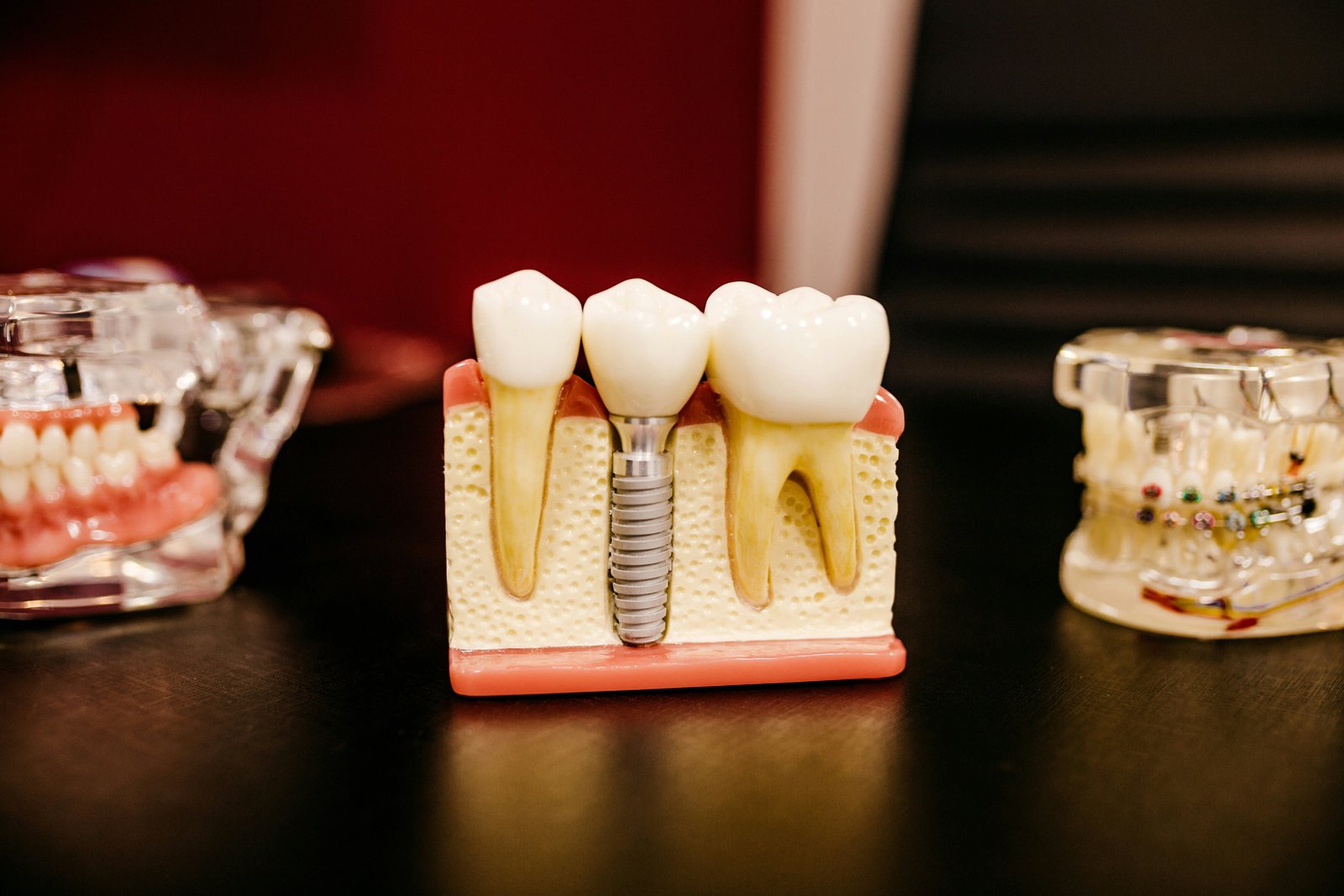
Dental implant model with a titanium post supporting a crown

Our Treatments

Dental Implants

Dental implants are a permanent tooth replacement, restoring bite strength and natural aesthetics. A titanium implant fixture is placed in the jawbone and topped with a custom crown.

  • Permanent: a long-term replacement for missing teeth.
  • Strong bite: restores chewing strength and comfort.
  • Natural look: crowns shade-matched to your own teeth.
  • Protects your jaw: helps prevent the bone loss and drifting caused by gaps.

Implant Placement

Careful planning and precise placement of the titanium implant fixture into the jawbone, creating a stable foundation for your new tooth.

Implant Crown

A custom crown attached to the implant, designed in shade, shape and bite to blend seamlessly with your natural teeth.

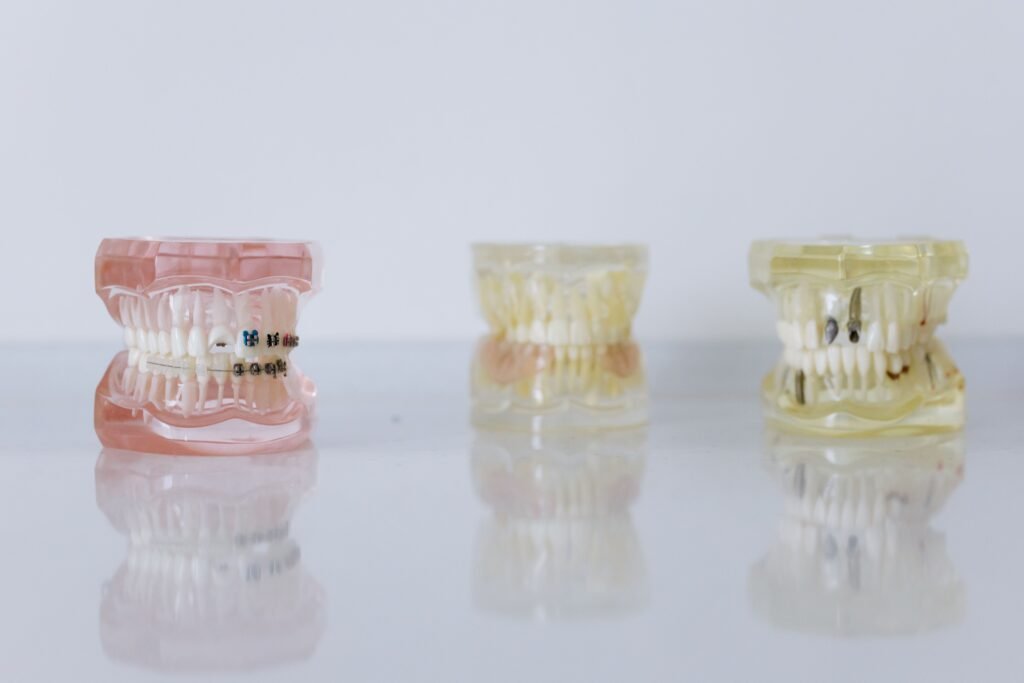
Dental models including one fitted with fixed braces

Our Treatments

Orthodontics

Discreet and traditional tooth alignment solutions for adults and adolescents. We help you choose the option that suits your teeth and your lifestyle.

  • Invisalign®: removable, virtually invisible aligners for mild to moderate alignment.
  • Ceramic braces: tooth-coloured fixed brackets with reduced visual contrast.
  • Metal braces: the durable gold standard for complex cases.
  • Tailored plans: treatment matched to your goals and lifestyle.

Invisalign® (Comprehensive)

Removable, virtually invisible clear aligners – ideal for mild-to-moderate alignment issues and patients wanting lifestyle flexibility. Aligners need to be worn 20–22 hours a day.

Ceramic Braces

Fixed brackets made of tooth-coloured or clear ceramic, providing the continuous force of traditional braces with reduced visual contrast. Brackets are slightly more fragile and need careful oral hygiene.

Metal Braces

High-grade stainless steel fixed appliances – the gold standard for complex bite problems, severe rotations and vertical discrepancies. Highly durable and cost-effective.

Ready to Book Your Next Appointment?

Call our Harley Street reception on +44 20 7580 3168 or email reception@carlingdentistry.co.uk – we are open Monday to Friday, 8:30 am – 6:00 pm.

Carling Dental

Book Your Appointment

Speak with our reception team to arrange your visit at 72 Harley Street.